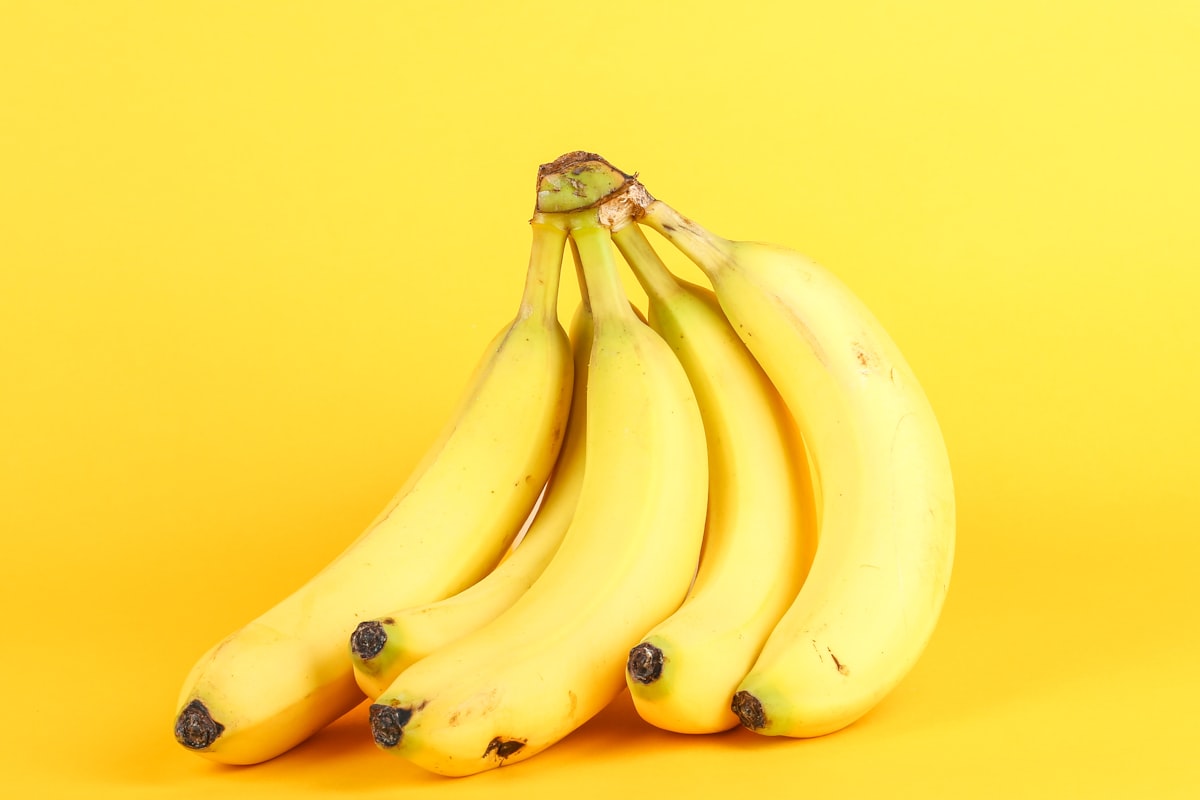
You buy a bunch of bananas that look perfect, and three days later they’re a leopard-print mush. Bananas ripen faster than almost any fruit in your kitchen, but the process isn’t random — it’s driven by a gas called ethylene, and once you understand where that gas comes from, you can slow it down dramatically. Here are eight tricks, from the single most effective to the ones that buy you a few extra days.
Why bananas ripen so fast
Bananas release ethylene gas, a natural plant hormone that triggers ripening. The more ethylene builds up around the fruit, the faster it ripens — and bananas emit a lot of it, mostly from the stem (the crown where they’re joined). This creates a chain reaction: as one banana ripens, it releases gas that ripens the next, faster and faster.
Almost every trick below works by doing one of two things: trapping less ethylene near the fruit, or slowing the chemistry with cold. Simple as that.
1. Wrap the stems (the number one trick)
Since most ethylene escapes from the stems:
- Take a piece of plastic wrap or foil and wrap it tightly around the stem crown.
- For even better results, separate the bananas and wrap each stem individually.
Wrapping traps the gas at its source and slows its spread to the fruit. This alone can add several days of yellow life, and separating plus wrapping each stem is the most effective version.
2. Separate the bunch
Bananas kept together ripen faster because they pool their ethylene. Simply pulling them apart and spacing them out slows the group down. Combine this with stem-wrapping for the best effect.
3. Keep them away from other fruit
Bananas ripen everything near them, and ripening fruit ripens the bananas back. Keep bananas:
- Away from apples, avocados, tomatoes, and other ethylene producers.
- In their own spot, not piled in a shared fruit bowl.
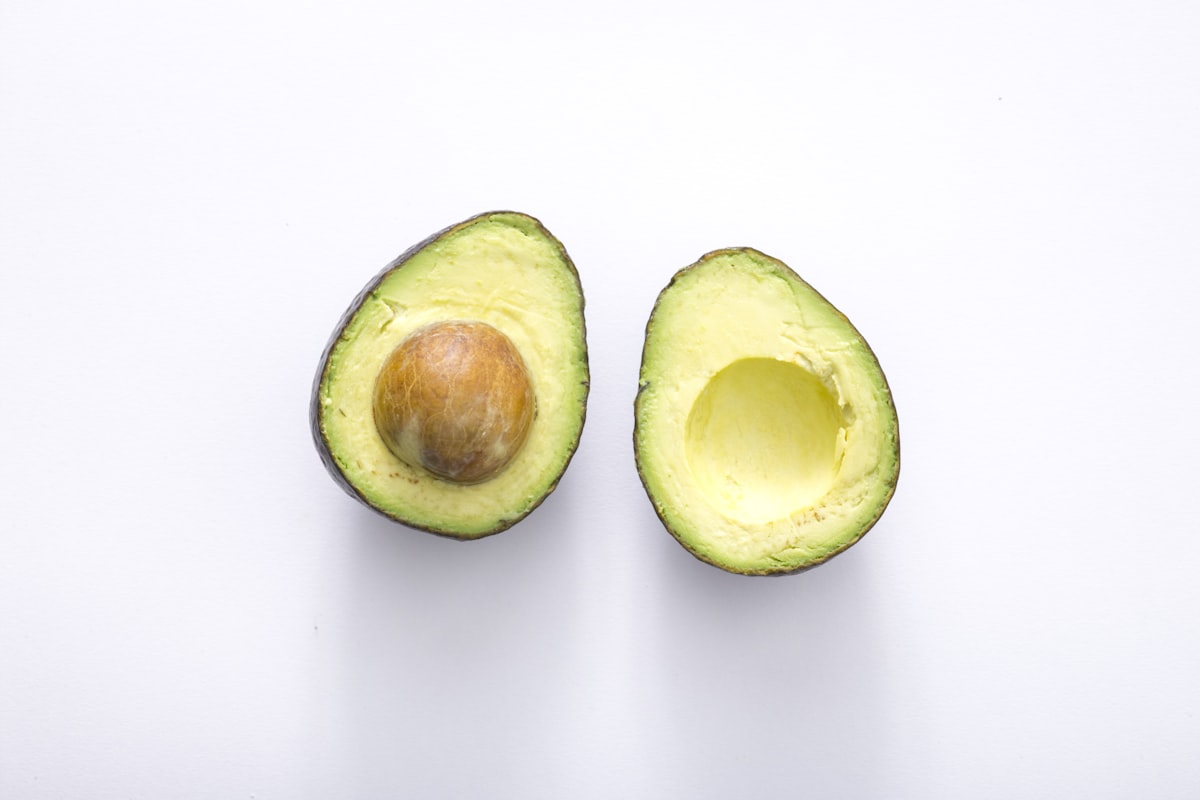
(You can use this in reverse — put a banana next to a rock-hard avocado to ripen it fast. But keep them apart when you want the bananas to last.)
4. Hang them
Hanging bananas on a hook or banana stand:
- Keeps them from bruising against a hard surface (bruised spots ripen and brown faster).
- Allows air to circulate around the fruit rather than trapping gas underneath.
It’s why grocery stores hang them. A cheap banana hanger genuinely helps.
5. Refrigerate once ripe (not before)
Cold halts the ripening of already-ripe bananas:
- Once your bananas reach the ripeness you like, move them to the fridge.
- The skin will turn brown or black — that’s normal and only cosmetic. The fruit inside stays firm and fresh for several more days.
- Never refrigerate green, unripe bananas — the cold permanently stops them from ripening and they’ll stay starchy and bland.
6. Buy them green and stagger ripeness
If you eat bananas over a week:
- Choose a bunch with varied ripeness, or lean greener.
- Green bananas ripen on the counter over days, giving you a rolling supply instead of six perfect bananas that all turn at once.
7. Keep them out of heat and sun
Warmth accelerates every chemical reaction, including ripening:
- Store bananas in a cool spot, away from sunny windowsills and the top of the fridge or oven (which get warm).
- Room temperature in the shade is ideal until they’re ripe.
8. Freeze the ones you can’t eat in time
The ultimate pause button:
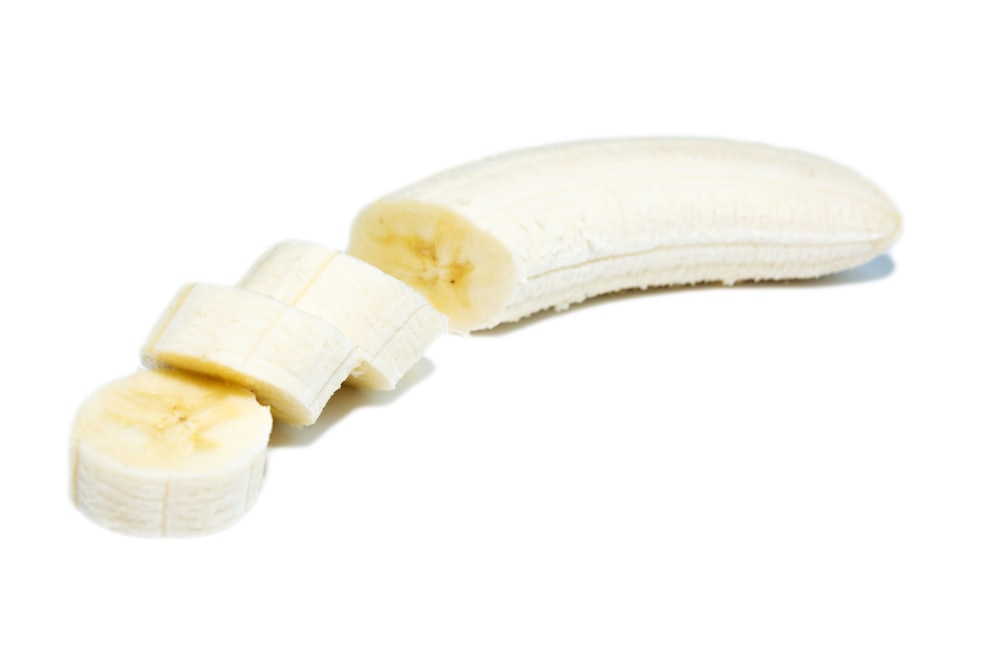
- Peel ripe bananas (freezing them in the skin makes them very hard to peel later).
- Freeze whole, in chunks, or mashed in portioned bags.
- Use frozen for smoothies, “nice cream,” banana bread, or pancakes.
Freezing stops ripening completely, so a banana about to turn is a smoothie waiting to happen — not waste.
Quick reference
| Goal | Best move |
|---|---|
| Slow ripening most | Separate + wrap each stem |
| Hold ripe bananas fresh | Refrigerate (skin browns, fruit fine) |
| Rolling supply all week | Buy varied/greener, ripen on counter |
| Prevent bruising | Hang them |
| Save overripe ones | Peel and freeze |
What about already-spotty bananas?
Brown spots mean sweeter, softer fruit — not bad fruit. Spotty bananas are:
- Best for baking — sweeter and easier to mash for banana bread and muffins.
- Great frozen — for smoothies and nice cream.
- Still fine to eat as-is if the inside is creamy, not fermented or mushy-brown throughout.
Toss them only when the flesh smells alcoholic/fermented or is brown and mushy all the way through.
The winning combination for most people: buy a slightly green bunch, separate the bananas, wrap each stem, keep them cool and away from other fruit — then move them to the fridge once they hit peak ripeness. That routine can stretch a bunch of bananas from three days to nearly two weeks of good eating.